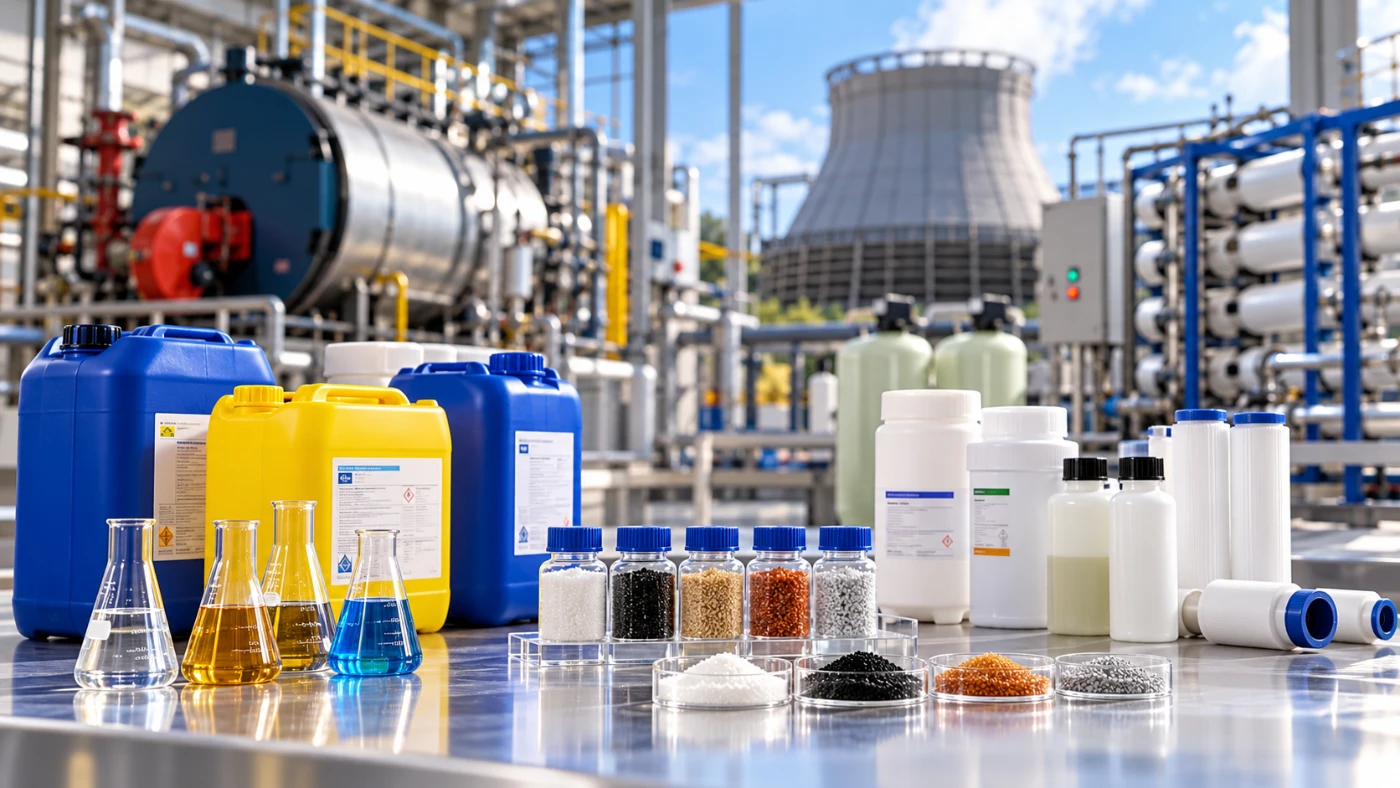
A steam boiler is one of the most expensive pieces of equipment in any plant, and most boiler failures start not with the burner or the controls but with the water that goes in. This guide briefly explains what happens inside a boiler and why no single measure is enough to protect it.
Where does scale come from?
As water turns to steam, the dissolved salts stay behind and keep concentrating. Calcium and magnesium salts — hardness — deposit on heating surfaces as a hard, insulating layer. That layer reduces heat transfer, so the burner needs more fuel for the same steam, and the metal itself runs hotter, which can end in tube failure.
Corrosion: the less visible threat
Dissolved oxygen in the feed water attacks metal and causes localised corrosion. In the steam network, carbon dioxide dissolves in the condensate and makes it acidic, slowly corroding steam and return lines. A boiler can look fine while its network corrodes.
The elements of a treatment program
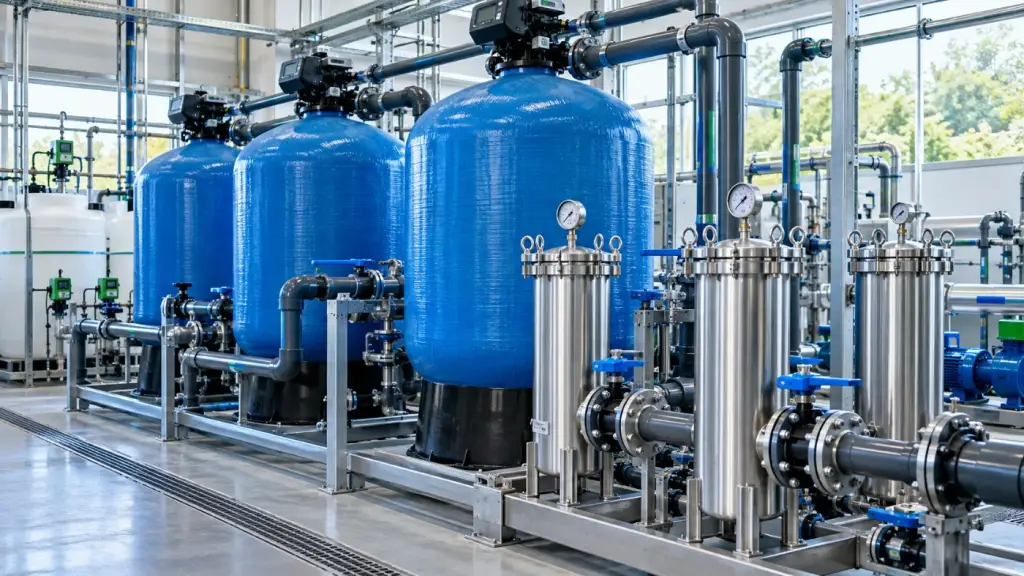
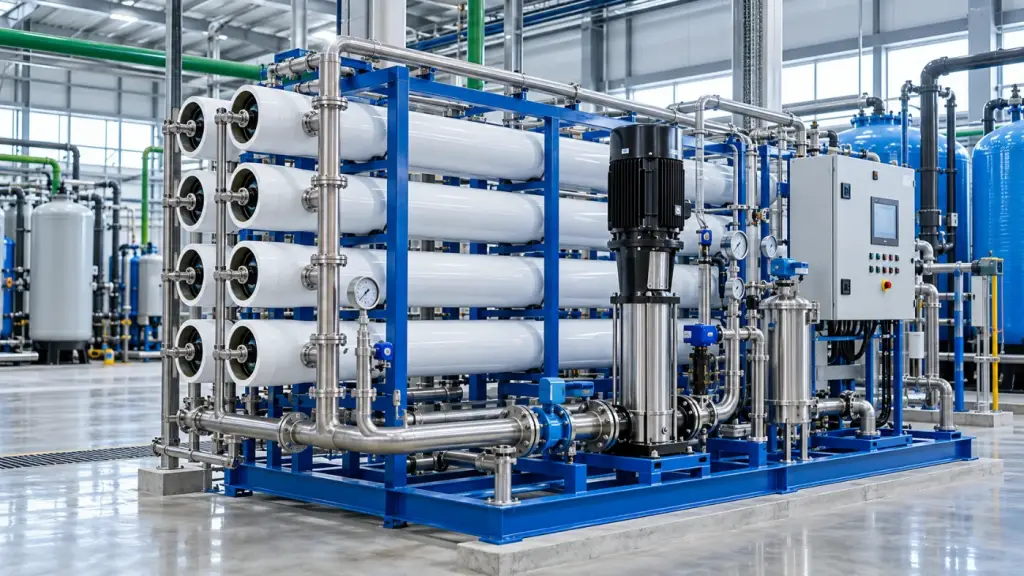
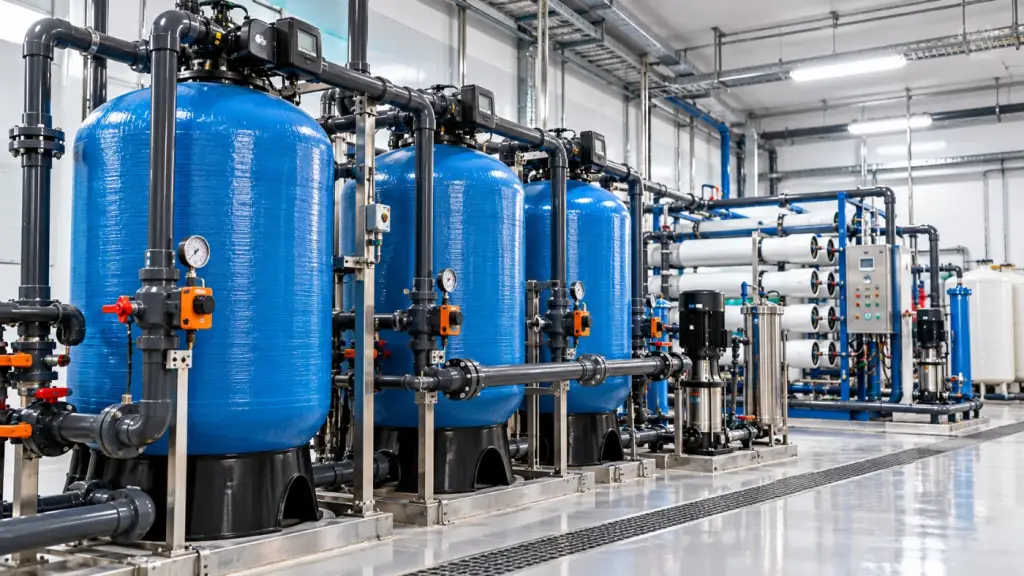
- External feed-water treatment: usually a softener to remove hardness, sometimes reverse osmosis when total dissolved solids are high.
- An internal scale and corrosion inhibitor: such as Aqua-SL or the polymer-based Aqua-Tn1 and Aqua-Tn2.
- Dispersants and sludge conditioners: keep deposits suspended until they leave with the blowdown.
- Condensate treatment: products such as Aquasteam-N and Aquasteam-F that adjust condensate pH and protect steam lines.
- Controlled blowdown: manages the salt concentration in the boiler without wasting water and heat.
Why follow-up matters
Operating conditions change: feed-water quality, load and the share of returned condensate. A program that suited the boiler months ago may need adjusting today, and routine boiler and condensate analysis reveals it early.
In short
Boiler protection is a complete program, not a single product. Explore our boiler and cooling tower water treatment service, browse Aqua System boiler chemicals, or contact us to review your boiler program.